BD-8670
Product Details
BD-8670
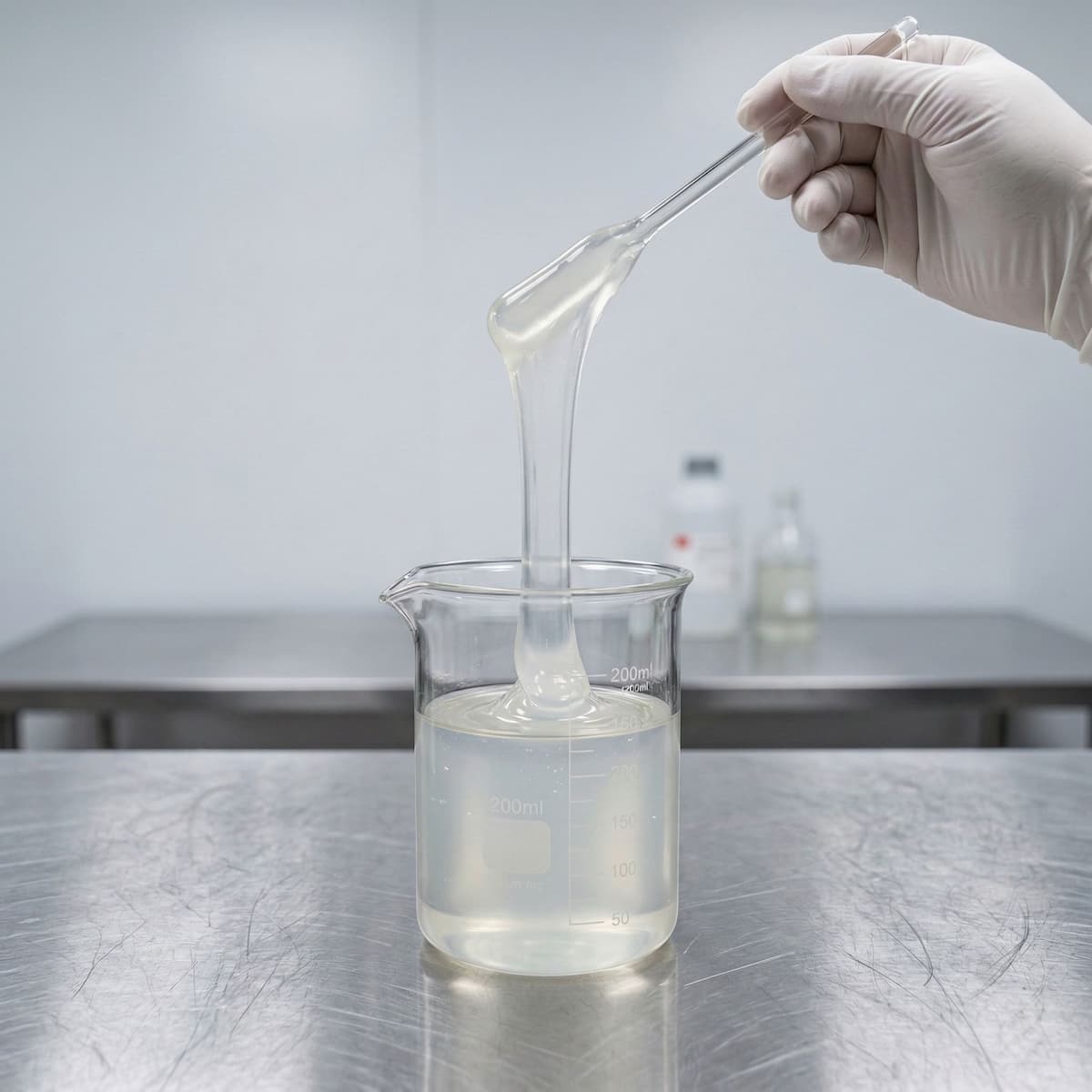
Low Viscosity, High Strength, High Hardness Liquid Silicone Rubber
Chemical Composition: Two-component addition-cure liquid silicone resin
Product Introduction & Core Advantages
BD-8670 is a two-component addition-cure liquid silicone resin specifically designed for industrial potting applications requiring high strength and high hardness protection.
- Superior Potting Processability: Features low viscosity (7000-15000 mPa·s) and excellent flowability after mixing. It de-airs easily and can penetrate tiny gaps in complex structures for thorough potting.
- Powerful Mechanical Protection: After curing, it exhibits high hardness (Shore A 70) and high strength (Tensile ≥ 6MPa). The surface is dry with a good tactile feel, providing a robust physical barrier for internal components.
- Efficient and Safe System: Utilizes platinum curing, making it environmentally friendly, safe, and non-toxic. Supports rapid thermal curing at 100°C for 10 minutes, significantly improving production efficiency.
Typical Physical and Chemical Data
| Performance Index | Test Standard / Condition | BD-8670A | BD-8670B |
|---|---|---|---|
| Appearance | - | Flowable translucent liquid | Flowable translucent liquid |
| Specific Gravity (g/cc) | ASTM D-1475 | 1.02 | 1.02 |
| Mixing Ratio (By weight) | - | 1 : 1 | - |
| Mixed Viscosity | ASTM D-2393 | 7000 - 15000 mPa·s | - |
| Hardness | ASTM D-2240 | Shore A 70 | - |
| Elongation at Break | ASTM D-412 | ≥ 80% | - |
| Tensile Strength | ASTM D-412 | ≥ 6 MPa | - |
| Tear Strength | ASTM D-624 die B | ≥ 12 KN/m | - |
| Full Cure Time | 100±5℃ | 10 Minutes | - |
Application Fields
- General Potting Applications: Deep potting protection for internal structures of various conventional and specialized housings.
- Core Electronic Control Equipment: Encapsulation of power supplies (power modules/power units), connectors, sensors, industrial control equipment, transformers, relays, etc.
- Specialty Components & New Energy: Bonding/encapsulation materials for solar cells, high-voltage resistor components/packs, and protective coatings for fabric surfaces.
Instructions for Use
- Mixing: A/B components can be mixed using mechanical stirring or a static mixer.
- Curing Conditions: Can be cured within a temperature range of 40-150°C. Increasing the curing temperature can significantly shorten the curing time; however, for thicker products, caution should be exercised as excessively rapid curing may cause bubbles.
- Prevention of Inhibition: Clean all instruments and equipment before use. Substances containing tin salts, amines, or sulfur may inhibit the curing reaction (known as "silicone poisoning").
- Condition Testing: The performance of the product after curing depends on the curing conditions. It is recommended to perform tests prior to full-scale use to determine the optimal curing conditions.
Packaging & Storage
- Packaging Specifications: 1kg and 25kg, customizable upon user request.
- Storage Conditions: Store sealed in a cool, dry place.