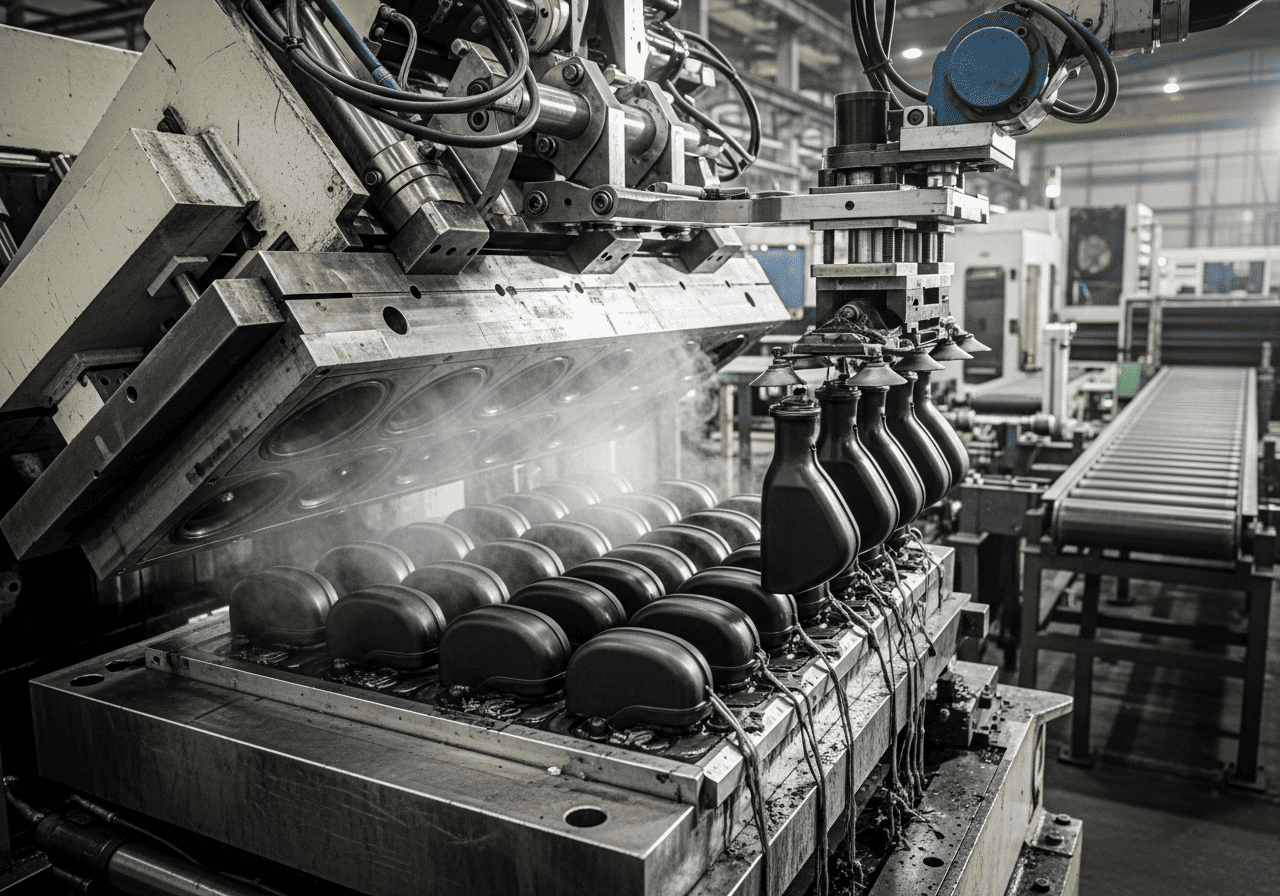
Solutions for various release and demolding processes
Release demolding involves using a material incompatible with the model and mold substances to separate two materials prone to adhesion, facilitating easy separation.
Related Products

BD-3482X series
Silicone Slip and Abrasion-Resistant Additive, Waterborne Coating Anti-Blocking Agent, Waterborne Ink Tactile Agent

BD-304
Silicone Defoamer, Release Agent, Textile Dyeing and Finishing Defoamer, Sewage Treatment Defoamer, Water-based Coating Defoamer

BD-3231
Organosilicon leveling agent, leveling agent, spinning oil additive, PU leather leveling agent

BD-3232
Silicone leveling agent, PU leather leveling agent, spinning oil additive, silicone wetting agent

BD-3033
Silicone Leveling Agent, Automotive Paint Leveling Agent, Anti-Corrosion Coating Leveling Agent

BD-2780 series
UV Radiation Curing System Surface Control Additive, Anti-Stick Anti-Graffiti Additive, Printing Ink Anti-Stick Agent

BD-3501
Acrylate-Modified Silicone Oil, Printing Ink Leveling Agent, UV-Curable Leveling Agent

BD-2100
Silicone Wetting Agent, Anti-Stick Additive, Acrylic Resin Wetting Agent, Printing Ink Wetting Agent

BD-3565
Silicone Surfactant, Leveling Agent, Anti-Stick Release Aid, Dry PU Leather Feel Agent

BD-3512
Modified Silicone Oil, Anti-blocking Agent for Water-based Epoxy Systems, Abrasion Resistance Additive for Epoxy Floor Coatings

BD-3028
Release Agent for Polyurethane Products, Epoxy Resin Products, Carbon Fiber Products

BD-1206
Alkyl silicone oil, silicone leveling feel agent, abrasion-resistant additive
Technology Details
Principles and Classification
Release demolding involves using a material incompatible with the model and mold substances to separate two materials prone to adhesion, facilitating easy separation. The most common industrial applications include metal-polymer, metal-metal, and metal-inorganic material combinations. Demolding materials are most widely used in three major categories: rubber, metals (primarily aluminum alloy die-casting), and plastics (synthetic resins).
Organosilicon and organofluorine materials exhibit incompatibility with other polymers, making them widely used in demolding applications.
- Classified by chemical properties of release agents: fluorine-containing release agents, organosilicon release agents, and silicone wax release agents.
- By hydrophilic characteristics: oil-based and water-based release agents.
- By molding method: shape-controlled demolding (e.g., rubber products) and non-shape-controlled (e.g., dip coating) demolding.
- By process method: internal release agents incorporated into molding materials and external release agents applied to mold surfaces.
- By process temperature: room-temperature release agents and high-temperature resistant release agents (e.g., for aluminum die-casting).
- By post-demolding processing requirements: no post-processing required and those requiring post-processing (e.g., painting, labeling).
- By specific demolding objectives: demolding, release (e.g., release paper for artificial leather coatings, silicone oil for fiber spinning boards), isolation (transfer printing isolation), anti-sticking (anti-stick coatings), anti-graffiti (erasable coatings for plastic whiteboards), etc. By product material properties: inorganic material demolding (e.g., concrete, gypsum, expanded perlite), composite material demolding (e.g., fiberglass, carbon fiber, artificial stone products), etc.
Additionally, by environmental requirements: eco-friendly release agents and non-eco-friendly release agents, with the former better aligning with green production standards and the latter requiring cautious use to minimize environmental impact.
Solutions
Rubber Demolding:
Previously, water-based emulsion release agents made from mixtures of mineral wax and organosilicon polymers were used. Mineral wax is low-cost but prone to surface defects on products. Organosilicon release agents offer excellent surface spreading and strong isolation properties, earning widespread user approval.
Rubber Tire Demolding:
Our company's developed and produced BD-3482 modified silicone emulsion is a high cost-performance, superior quality choice.
Rubber Product Demolding:
Our company's developed and produced BD-304 organosilicon emulsion serves as both an antifoaming agent and an excellent release agent.
General Plastic Product Demolding:
Demolding typically uses internal additives; for example, adding our company's developed BD-3231, BD-3232, BD-3033 series products to pellets achieves easy demolding and smooth surfaces.
Engineering Plastics:
Our company has developed a series of innovative silicone plastic products tailored for engineering plastic modifications (e.g., reinforcement, toughening, aging resistance) and special product appearance requirements, available for customer selection. These are iteratively updated new materials worth attention.
Fiber Spinning Board Silicone Oil:
Suitable models can be selected from our company's high-temperature resistant silicone oil series to produce aerosol can products.
Fiber Oil Additives:
Our company's developed BD-3231 series, when added to fiber oils, effectively enhances the quality of profiled high-end fibers.
Acrylic Resin
UV Resin Demolding:
Our company offers organosilicon and fluorosilicone materials specifically for 3D printing substrate demolding. Adding organosilicon modifiers, such as our BD-2780 series, to UV resin effectively improves weather resistance, water resistance, scratch resistance, and release properties without affecting transparency.
Label Release Paper Coating:
Our developed BD-2780 series and BD-3501 serve as additives for acrylate resins to achieve anti-stick isolation. They can also be formulated into UV organosilicon coating adhesives for photocuring coatings. These products not only enhance demolding efficiency but also significantly reduce environmental pollution during production, meeting modern industry's dual demands for eco-friendliness and efficiency.
Transfer Printing Ink Release:
Our developed BD-2100 wetting agent is specifically designed for acrylic (including UV) transfer printing coatings, balancing substrate adhesion and release transfer requirements, delivering excellent performance.
Polyurethane Resin:
Adding our developed BD-3565 release aid to PU leather slurry effectively extends release paper lifespan and improves PU surface smoothness and feel.
Polyurethane Products:
Silicone resin products developed by our company can be made into aerosol cans to meet market demands for polyurethane products (including foamed products).
Epoxy Resin:
Our developed BD-3512 and BD-3522 are internal release aids designed specifically for epoxy resin release, improving demolding while enhancing toughness and water resistance. Fluorine-containing organosilicon products are also available.
Epoxy Resin Products:
Our developed BD-3028 is designed specifically for demolding epoxy resin products (e.g., helmets). For carbon fiber products (e.g., fishing rods), BD-1206 and similar options are available.
Aluminum Die-Casting Demolding:
See aluminum die-casting demolding solutions.
Article Author: Hangzhou Baode New Materials Technology Co., Ltd. Application Technology Department — Ni Zonghao